

When a child loses someone they love, their grief can show up differently than how it shows up in adults. One moment, they could be quietly sad, the next playing or laughing as if nothing happened. Children process grief differently because their world is still growing and changing. They’re learning how to handle big feelings, and they need gentle guidance, consistency, and a safe space to express their feelings. Programs like Residential’s Blue Elephant Children’s Grief Services offer tools and experiences to help kids navigate their emotions in a healthy way.
How Children Process Grief
Children experience and process grief differently at each stage of development. Younger children may have a hard time understanding that a loved one is permanently gone. They may assume a loved one will come back or worry they somehow caused it. School-age children start to understand the lasting impact of loss but can have trouble expressing the emotions they feel. This can show up as anger, clinginess, withdrawal, changes in appetite, or trouble sleeping. Teens usually understand the reality of loss but wrestle with intense emotions, independence, and identity. All of these are natural reactions when dealing with grief.
How to Talk to Kids About Death
One of the hardest parts of dealing with loss is knowing what to say, especially to children. Kids need honesty in a language they can understand. It’s best to avoid phrases like ‘we lost him’ or ‘she’s gone’ because they can create confusion or fear. Answer their questions as openly and honestly as you can. Reassurance, patience, and listening are powerful tools to help kids understand what’s happening.
Signs a Child Needs Grief Support
It can be tough to tell whether a child is coping or simply ignoring their feelings. Paying attention to changes in behavior or mood can signal that they may need additional help. Some of these behavior changes include:
- Becoming unusually quiet or withdrawn
- Showing increased worries or anxiety
- Experiencing emotional outbursts or increased irritability
- Struggling to focus
If you notice a child is struggling with grief, it’s important to talk with their teachers, coaches, or other adults in their life and let them know what’s happening. They can provide additional support and accommodation to help them feel understood.
Residential Hospice’s Grief Services for Children
Residential Hospice recognizes the special skill and time needed to help kids deal with loss, which is why we provide specialized grief services for children that meets them where they are. Our grief and bereavement team incorporates age-appropriate activities, therapeutic play, and compassionate guidance to help children make sense of loss.

The Blue Elephant Project helps children name and process their emotions, using a blue elephant plushie and feelings cards designed to make difficult emotions understandable and manageable. A matching adult guide provides useful information to help children cope with death and heal.
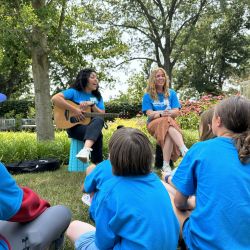
At Residential Hospice, we also offer summer Blue Elephant children’s grief camps in Illinois and Michigan where kids can connect with other children experiencing loss through art, music, and memory-making activities.
Helping Children Heal After the Loss of a Loved One
Grief doesn’t follow a timeline, so the best support happens when you meet them where they are. Residential Hospice’s children’s grief services, including the Blue Elephant Project and Children’s Grief Camps, provide a safe space, compassionate guidance, and age-appropriate activities to help kids process the loss of a loved one. With consistent support, children can navigate grief while feeling understood, supported, and cared for.