

Home health care can improve quality of life for individuals with heart failure.

Living with congestive heart failure (CHF) can be challenging, but with the proper home health heart care and support, individuals can effectively manage this chronic heart disease from the comfort of their homes. Home health services not only enhance patients’ quality of life but also reduce the frequency of hospital readmissions. In this article, we explore how home health care can play a pivotal role in managing CHF.
Understanding Congestive Heart Failure
Congestive heart failure (CHF) is a chronic heart disease where the heart is unable to pump blood effectively, leading to fluid buildup throughout the body. According to Cleveland Clinic, more than 6 million people in the United States have CHF. Heart failure makes daily activities difficult and symptoms including shortness of breath, chest pain, fatigue, weight gain, and coughing. Heart failure is classified in four stages – Stage A, Stage B, Stage C, and Stage D. These stages measure a patient’s heart function and severity of symptoms. Although there is no cure for heart failure, the goal of treatment is to slow the progression of heart failure and manage CHF symptoms.
Benefits of Home Health Care for Heart Failure
Personalized CHF Care Plan
In collaboration with the patient’s doctor, home health professionals design an individualized care plan to manage CHF symptoms. This care plan addresses specific needs of the patient, considering their heart failure stage, medications, dietary restrictions, and lifestyle modifications.
Monitoring of Vital Signs & Heart Failure Symptoms
Home health nurses use state-of-the-art technology to track vital signs like blood pressure, heart rate, and weight, to manage heart failure symptoms. Real-time monitoring allows for early detection of potential complications, encouraging prompt interventions to actively manage CHF symptoms.

In-Home Cardiac Rehabilitation Support
For patients recovering from cardiac events, home health services offer cardiac rehabilitation programs to aid in recovery and promote a heart-healthy lifestyle in the comfort of their own home. These personalized programs aim to enhance recovery, foster a heart-healthy lifestyle, and address physical and mental health, thereby reducing the risk of future complications.

Medication Management for Heart Failure
Maintaining consistent medication routines is important for effective CHF management. Home health nurses oversee the adherence to prescribed medications, such as ACE inhibitors and beta blockers. Medication management not only mitigates the risk of complications but also minimizes the likelihood of hospital readmissions.
Education and Guidance for a Heart-Healthy Lifestyle
Home health care provides comprehensive education on managing heart failure, recognizing symptoms, and making lifestyle adjustments. These resources empower CHF patients and their families with the knowledge needed to make informed decisions for a healthier life.
Home health services offer personalized care with the comfort and convenience of home-based care, enabling patients to live a more fulfilling, healthier life. With a customized care plan focused on the patient’s needs, home health allows the patient to navigate the complexities of living with congestive heart failure. At Residential Home Health, we provide specialized home health programs designed for individuals with CHF in the comfort of their home.
This article is not medical advice, please consult with your medical physician to learn if home health is right for you.



 When adults teach children about manners, they might remind them to say ‘please’ by prompting, ‘What’s the magic word?’ This is our introduction to ‘please’ — as the gateway to getting anything we want, whenever we want it. But by the time we reach adulthood and better understand politeness, the word loses a bit of its luster, no longer a mystical source of instant gratification.
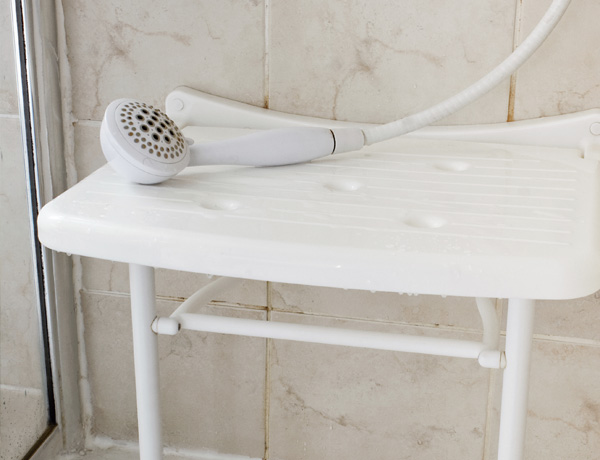 For aging adults who live independently, adjusting their home environment for reasons of safety or accessibility can feel like an admission of defeat. However, putting off such improvements exposes aging individuals to greater risk of even more serious injuries — the kind that threaten the very self-sufficiency they are protecting. Rather than ignoring the changing needs and capabilities that often come with age, the best way to preserve independence and continue aging in place is to welcome these alterations as a way to stay safely at home.



 Though hydration is important for healthy living at any age, seniors are at greater risk of dehydration due to physical and physiological changes that occur during the natural aging process. With potentially dangerous symptoms of dehydration like disorientation, constipation, and low blood pressure, it is important to keep your loved one hydrated.