

Deciding whether hospice care is right for a loved one can bring up a lot of questions. Families may wonder what happens to medications, whether their loved one can still go to the hospital, or what hospice care will look like day to day. Some of these concerns come from common misconceptions about hospice. Understanding what hospice care actually provides can help patients and families feel more informed as they consider their options.
In This Article
- What is Hospice Care?
- Common Questions About Hospice Care
- How Does Hospice Care Support Patients and Families?
- Frequently Asked Questions About Hospice Care at Home
- Hospice Care at Home with Residential
What is Hospice Care?
Hospice care is comfort-focused care for people with a terminal illness that can no longer be cured. Instead of treating the illness itself, hospice eases pain and symptoms and supports the whole family.
A hospice team usually includes a physician or nurse practitioner, nurses, hospice aides, social workers, spiritual care counselors, and volunteers. The team works alongside the patient’s own doctor, who can stay involved in their care.
Common Questions About Hospice Care
Families considering hospice care most often ask about medications, hospital visits, where care happens, DNR orders, and who qualifies. Many of these questions come from common misconceptions. We’ve answered some of the common hospice questions and misconceptions below.
Can Hospice Patients Keep Taking Their Medications?
Yes, hospice patients can keep taking medications that support their comfort and care, even though many families assume hospice means stopping everything. When someone begins hospice, their care team reviews each medication to decide which ones are still helpful.
Medications that manage pain, shortness of breath, anxiety, and other symptoms often remain an important part of care. Some medications may be adjusted or stopped if they’re no longer helping the patient or don’t align with their care goals.
The hospice team works with the patient, family, and physician to review these decisions and explain any changes. The goal is to make sure each medication has a purpose and supports the patient’s comfort.
Can Hospice Patients Still Go to the Hospital?
Yes, hospice patients can still go to the hospital when needed, despite the common belief that hospice rules it out. Hospice teams manage symptoms wherever a patient calls home, which can help reduce unnecessary trips to the emergency room.
Patients and families should contact their hospice team before seeking hospital care whenever possible, except in cases of emergency. The team can help decide next steps, coordinate services, and explain what may be covered under the hospice benefit.
Patients also have the right to stop hospice care if they decide to pursue treatment meant to cure their illness. They can return to hospice care later if they still qualify.
Does Choosing Hospice Care Mean Giving Up?
No, choosing hospice care doesn’t mean giving up. It means shifting the focus of care to comfort and quality of life. Choosing hospice is a personal decision, and it doesn’t mean a patient or family has stopped caring about their health or well-being.
Instead of treatments meant to cure a terminal illness, the care team works to relieve symptoms, manage pain, and help patients stay as comfortable as possible.
For one patient, that might mean having enough energy to spend time with family. For another, it may mean managing shortness of breath so they can rest more comfortably or enjoy their favorite activities. Hospice also provides emotional and spiritual support, giving patients and families someone to talk with as their needs and priorities change.
Where is Hospice Care Provided?
Hospice care is provided wherever a patient calls home, not in a separate facility as many people picture. That may include the patient’s home, assisted living community, or nursing home.
The hospice team visits the patient to provide nursing care, help manage symptoms, assist with personal care, and support family caregivers. Medical equipment and supplies related to hospice care may also be provided.
Receiving hospice care at home allows patients to stay in a familiar environment while getting the care they need. When symptoms need more intensive attention, short-term inpatient hospice care may also be available.
Do You Need a DNR to Receive Hospice Care?
No, a Do Not Resuscitate (DNR) order is not required to begin hospice care, even though many families assume it is. A DNR order tells healthcare professionals not to perform CPR or life-resuscitating procedures if a person’s heart stops beating or they stop breathing.
Patients and their families can talk with their healthcare provider about what life-resuscitation measures involve and how they relate to the patient’s condition. The hospice team can help guide these conversations so patients and families understand their options and make decisions that reflect their wishes.
Is Hospice Care Only for People with Cancer?
No, hospice care supports people living with many different terminal illnesses, not just cancer. Patients with advanced heart disease, chronic obstructive pulmonary disease (COPD), dementia, kidney disease, and certain neurological conditions may also qualify.
Under Medicare, hospice eligibility generally requires a physician to certify that a patient has a life expectancy of six months or less if their illness follows its expected course.
That doesn’t mean a patient can only receive hospice care for six months. Care can continue beyond that time if the patient remains eligible.
How Does Hospice Care Support Patients and Families?
Hospice care brings together a team of healthcare professionals to help patients manage symptoms and give families guidance as care needs change. Depending on the patient’s needs and care plan, hospice services may include:
- Pain and symptom management
- Help with everyday care
- Emotional and spiritual support
- Medication and equipment support
- Guidance for caregivers
- Grief and bereavement support
At Residential Hospice, care goes beyond managing symptoms. Patients may also have access to therapies that bring comfort, such as massage therapy, aromatherapy, music therapy, and pet therapy. Virtual reality experiences can let patients visit their favorite places or see new ones from home. We also introduce legacy projects that help patients record stories, create keepsakes, and share memories with their loved ones.
Frequently Asked Questions About Hospice Care
How do you start hospice care?
Hospice care usually starts with a referral from the patient’s doctor. Once a referral is made, the hospice team reaches out to schedule a visit, review care needs, and answer questions before care begins.
Is hospice covered by Medicare?
Yes, Medicare Part A covers hospice care for people who qualify. To be eligible, a doctor must confirm that life expectancy is six months or less if the illness follows its usual course.
Is hospice covered without Medicare?
Often, yes. Medicaid and many private insurance plans also cover hospice care, but benefits vary by plan. Families should check with their insurance provider to understand what is included.
Does hospice provide 24-hour care?
Hospice doesn’t usually provide around-the-clock caregiving at home. The care team visits on a schedule based on the care plan, and families can reach the hospice team by phone 24/7 with questions or urgent needs.
Hospice Care at Home with Residential
Hospice care doesn’t mean stopping all medications or giving up. It’s a way to focus on comfort and quality of life, with support for the whole family.
At Residential Hospice, we work with patients and families to understand what matters most to them and build a care plan around their needs. Our team helps manage symptoms, coordinates medications and equipment, and guides caregivers as their loved one’s condition changes. We also offer emotional and spiritual support for patients and families.
If your loved one is living with a serious illness and you have questions about hospice care, our team can help explain what care may look like at home. Contact our team to learn more about hospice care with Residential.
 For aging adults who live independently, adjusting their home environment for reasons of safety or accessibility can feel like an admission of defeat. However, putting off such improvements exposes aging individuals to greater risk of even more serious injuries — the kind that threaten the very self-sufficiency they are protecting. Rather than ignoring the changing needs and capabilities that often come with age, the best way to preserve independence and continue aging in place is to welcome these alterations as a way to stay safely at home.
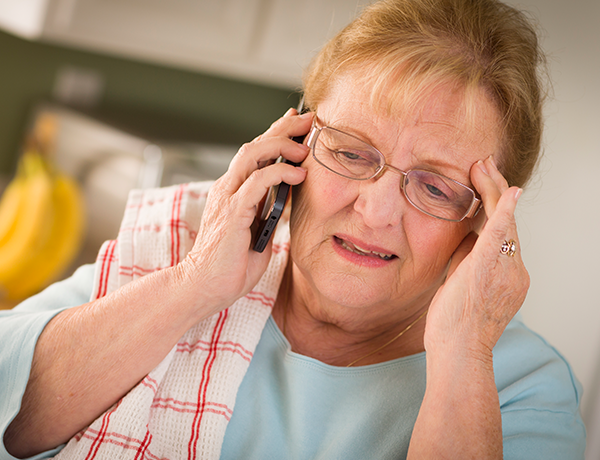 Some health concerns require the kind of life-saving medical care and urgency that the 911 service is designed for, but others may not. When a loved one needs prompt medical care, consider these points. But if you’re ever in doubt, 911 emergency services are there to help you make the right choice for your loved one.
 Whether caused by glaucoma, diabetic retinopathy, cataracts, macular degeneration, side effects of regular medication, or other reasons, low vision affects many seniors. Impaired eyesight can interfere with leisure activities such as reading and watching television, which has the potential to disrupt day-to-day living, hinder engagement, and even lead to depression.
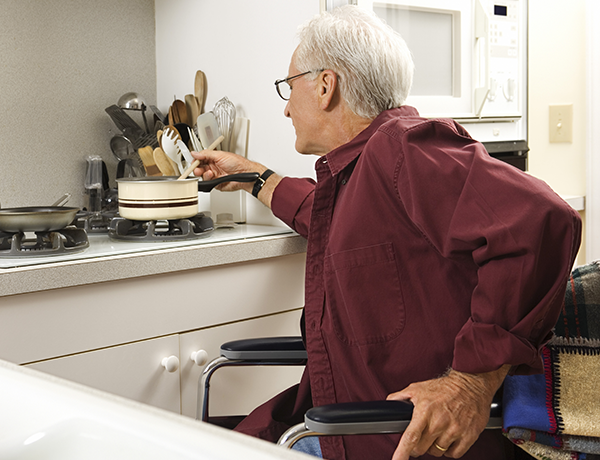 The kitchen and bathroom rank among the most hazardous rooms of the home, yet they are essential to daily life — thus, when considering modifications for yourself or your loved one, these key areas deserve the utmost attention. The following suggestions are just some of the options available. With a better understanding of possible home risks and adjustments, as well as the guidance of an in-home occupational therapist, you can drastically improve not only your loved one’s safety from falls or other injuries, but also his or her independence and quality of life.
  Pet ownership has been shown to have numerous benefits for emotional health and quality of life, especially in seniors. However, having a pet in the household can pose disadvantages and dangers that are also important to consider.