

Coordinating healthy menu options that cater to your loved one’s specific health concerns can be challenging for caregivers. While proper nutrition is essential for every age and gender, maintaining a healthy eating plan for individuals coping with one or multiple chronic conditions like COPD, CHF, or diabetes. Many seniors struggle to prepare meals from scratch themselves and rely on frozen entrees. As a care provider, only you will know what’s truly in the fridge, and only you can ensure your loved one’s access to a healthy menu.
Though seniors often understand when they need help meal planning, many struggle with this reality. Including them in the management of their diet can keep them feeling empowered and engaged.
Six Tips to Help Coordinate Healthy Meal Planning
Plan together
Take the time to plan ahead and schedule meals in one-week increments. This is a great way to prepare a comprehensive grocery list, keep your loved one involved, and predict how much time will be needed for shopping and meal prep.
Cook Together
Another wonderful way to keep your loved one active and engaged is to cook meals together whenever possible. In some cases, it may be easiest to make all meals for the week during one cooking session.
Maximize Leftovers
You’ve probably noticed that a typical recipe makes far more than one or two people can eat in one sitting. Have plenty of containers available to package leftovers to keep in the refrigerator or freezer. Write days and mealtimes on the container to help your loved one decide what foods to eat and when; this also provides you with the ability to check up on whether or not meals are being eaten. Saving and labeling food reduces the likelihood that your loved one will purchase and eat lesser-quality frozen meals from the store.
Keep Snacks Handy
Keeping fresh fruit and vegetables prepared is an easy way to have healthy food choices available at all times. Set fruit out in an easy to reach location that is highly visible, such as the kitchen table or counter. Cut up cheese and meat for quick finger foods. This encourages eating and gives nutritional choices throughout the day. Snack foods are easy to keep around and require little time to prepare.
Be Creative
It is not uncommon for the elderly to experience diminished taste or smell. This can be the result of aging, medications, or treatments and can decrease the desire to eat. Were you aware that lemon and other citrus fruits help combat the cotton mouth that chemotherapy patients chronically suffer? This knowledge can be used to create meal choices that pique their interest in food again. Look for flavorful options and invest in fresh ingredients. Find the spices and foods that invoke the greatest positive response and dive into recipes with those ingredients.
Get Help
Dietary considerations are extremely important for seniors returning home from a hospital stay. According to the Centers for Disease Control and Prevention, 19% of all hospital readmissions are the result of non-adherence to diet. It’s alright to ask for help if you’re feeling overwhelmed or confused about finding the right foods for your loved one. As a caregiver you’ll want to ensure your loved one remains safe at home during recovery; with Residential Home Health, registered dieticians and nurses are available to help educate you and ensure your loved one stays on track.
Learn how Residential Home Health’s Cardiopulmonary Hospital Admit Management Program (CHAMP) program can support the specific needs of you or your loved one.
Available 24/7 – Talk to a nurse now. Click to call 866-902-4000
 If you are considering in-home health care in Michigan or Illinois, there are a number of factors to take into account.
 FOR IMMEDIATE RELEASE
 For many common diseases of the eye, a person’s risk level increases with age. Vision impairment or loss, whether gradual or sudden, can raise fresh injury hazards in everyday activities and threaten independence. As a consequence, visibility and safety are important considerations with respect to home care for seniors.
 TROY, MI, November 22, 2015 – Residential Home Health and Residential Hospice, Troy, MI-based providers of in-home healthcare and hospice services and subsidiaries of Graham Holdings Company (NYSE: GHC), are pleased to announce that they have been named as winners of the Detroit Free Press Top Workplace award for the fifth consecutive year.
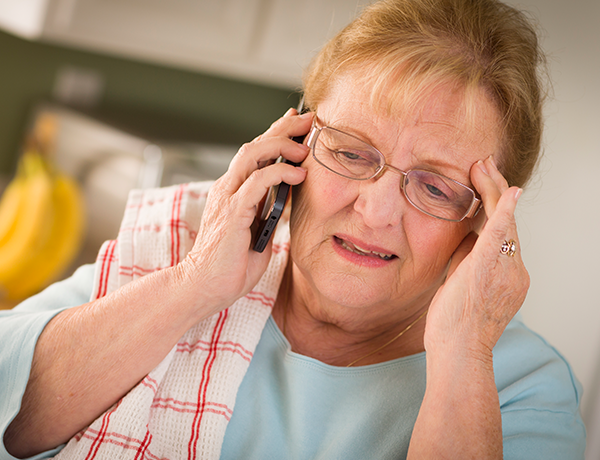 Some health concerns require the kind of life-saving medical care and urgency that the 911 service is designed for, but others may not. When a loved one needs prompt medical care, consider these points. But if you’re ever in doubt, 911 emergency services are there to help you make the right choice for your loved one.
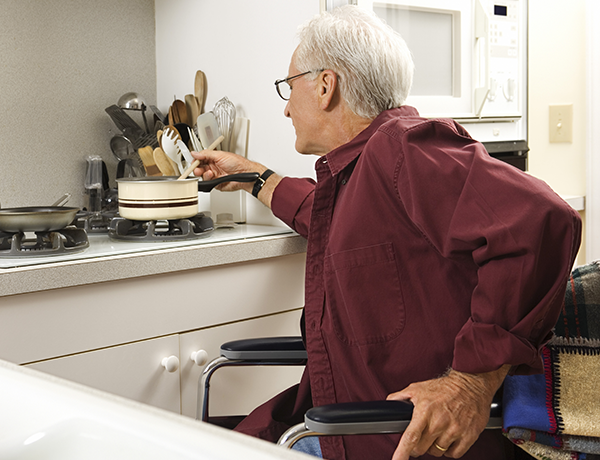 The kitchen and bathroom rank among the most hazardous rooms of the home, yet they are essential to daily life — thus, when considering modifications for yourself or your loved one, these key areas deserve the utmost attention. The following suggestions are just some of the options available. With a better understanding of possible home risks and adjustments, as well as the guidance of an in-home occupational therapist, you can drastically improve not only your loved one’s safety from falls or other injuries, but also his or her independence and quality of life.